
Is loneliness affecting your loved one’s mental health? Signs to look out for
➡️ In the build-up to our upcoming feature on Mental Health Awareness Week (11–17 May), we’re exploring the everyday signs that can affect emotional wellbeing at home.
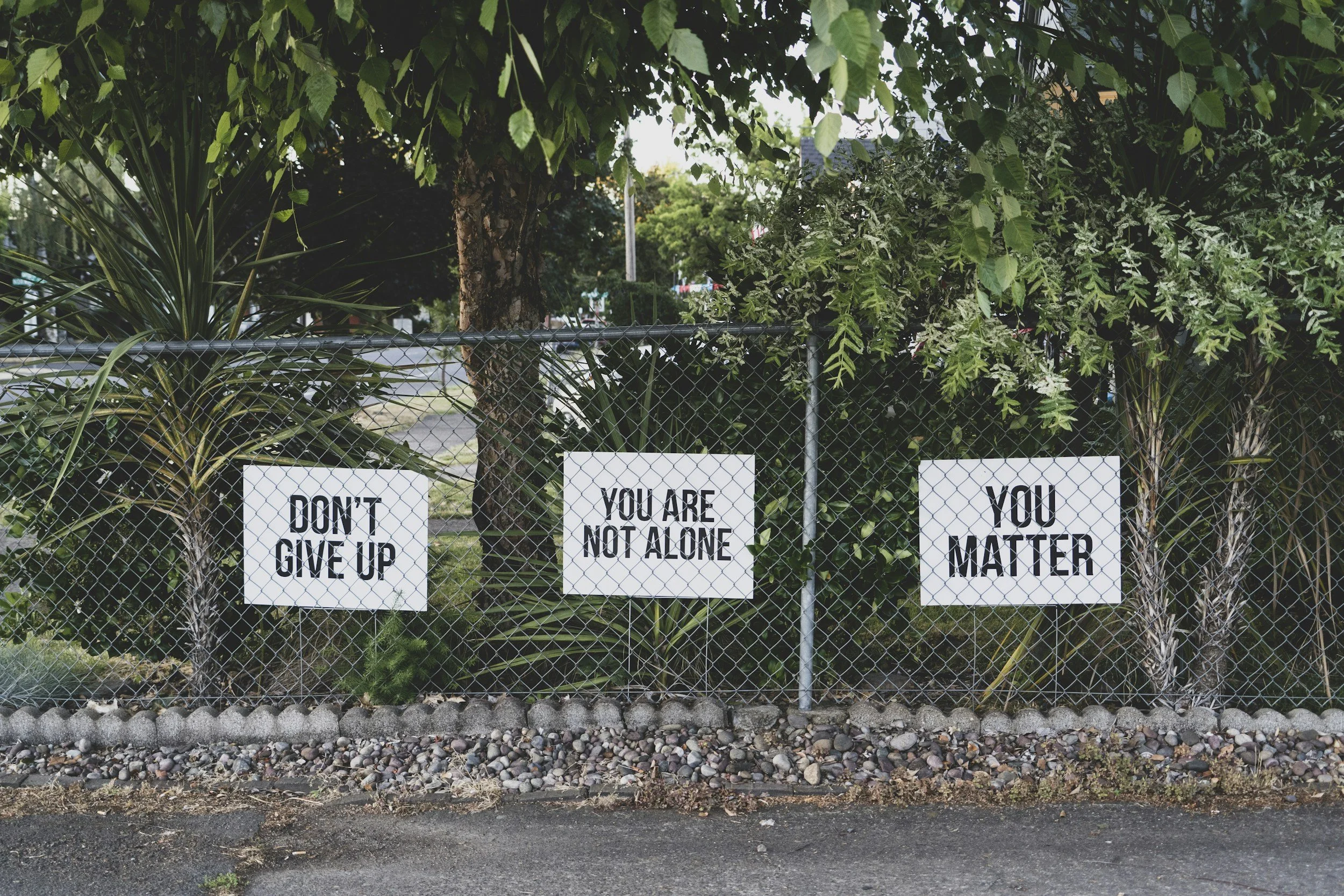
Loneliness doesn’t always look the way people expect.
It’s not just someone sitting alone with no one around them. In many cases, it’s much quieter than that—subtle changes, small shifts in behaviour, things that are easy to miss until they start to add up.
With Mental Health Awareness Week approaching, it’s a good time to look a little closer at something we see every day in care: how loneliness can quietly impact mental wellbeing at home.
👀 The signs aren’t always obvious
Most people don’t say “I’m lonely.”
Instead, it often shows up in ways that can easily be mistaken for “just getting older”:
Becoming quieter or less engaged
Losing interest in hobbies or routines
Sleeping more, or struggling with sleep
Changes in appetite
Avoiding phone calls or social interaction
Seeming low, withdrawn, or irritable
Over time, this can begin to affect overall well-being and may contribute to conditions such as Depression or Anxiety disorder.
🏡 Why loneliness is so common at home
For many older adults or people receiving support at home, life naturally becomes smaller over time.
Mobility can make getting out more difficult
Friendships and social circles may change
Family visits, while important, may be limited
Days can start to feel repetitive or quiet
Even in a loving home environment, it’s still possible for someone to feel isolated.
And the difficult part is that it often happens gradually—so gradually that families may not notice until something feels different.
💬 “They seem fine”… but are they really?
One of the most common things families say is:
“They seem okay when we visit.”
And that may be true—but short visits don’t always show the full picture.
What happens in between those visits matters just as much:
Long afternoons with no conversation
Evenings spent alone
Routines that feel empty or repetitive
Loneliness often exists in those quieter moments when no one is around to notice.
🤝 The role of companionship in mental wellbeing
Care isn’t only about practical support.
Having someone there regularly can make a real difference:
Someone to talk to
Someone to share meals with
Someone who brings routine and structure to the day
Someone who notices changes in mood or behaviour
It’s not about filling time—it’s about restoring connection, confidence, and consistency in everyday life.
⚠️ When to consider extra support
You don’t have to wait for a crisis before exploring options.
It may be time to think about support if:
You notice ongoing changes in mood or behaviour
Your loved one is becoming more withdrawn
You’re worried they’re spending too much time alone
You feel stretched trying to manage everything yourself
Support at home doesn’t need to be all or nothing. It can start small and grow as needs change.
❤️ A small change can make a big difference
Loneliness is one of the most common challenges affecting emotional well-being—but it’s also one of the most changeable.
With the right support, routine, and human connection, many people regain confidence, energy, and a better sense of daily life.
📞 Worried about someone? Let’s talk
At ENA Care Group, we understand how difficult it can be to know when to step in—and what the right support should look like.
We take the time to listen, understand your situation, and help you find a solution that feels right for you and your family, without pressure.
Get in touch for a friendly, no-obligation chat:
📞 Phone: 01707 333700
📧 Email: care@ena.co.uk
🌐 Website: www.ena.co.uk
Sometimes, a simple conversation is all it takes to make things feel more manageable.
