
🏡 What Really Happens Behind the Scenes When You Arrange Care?
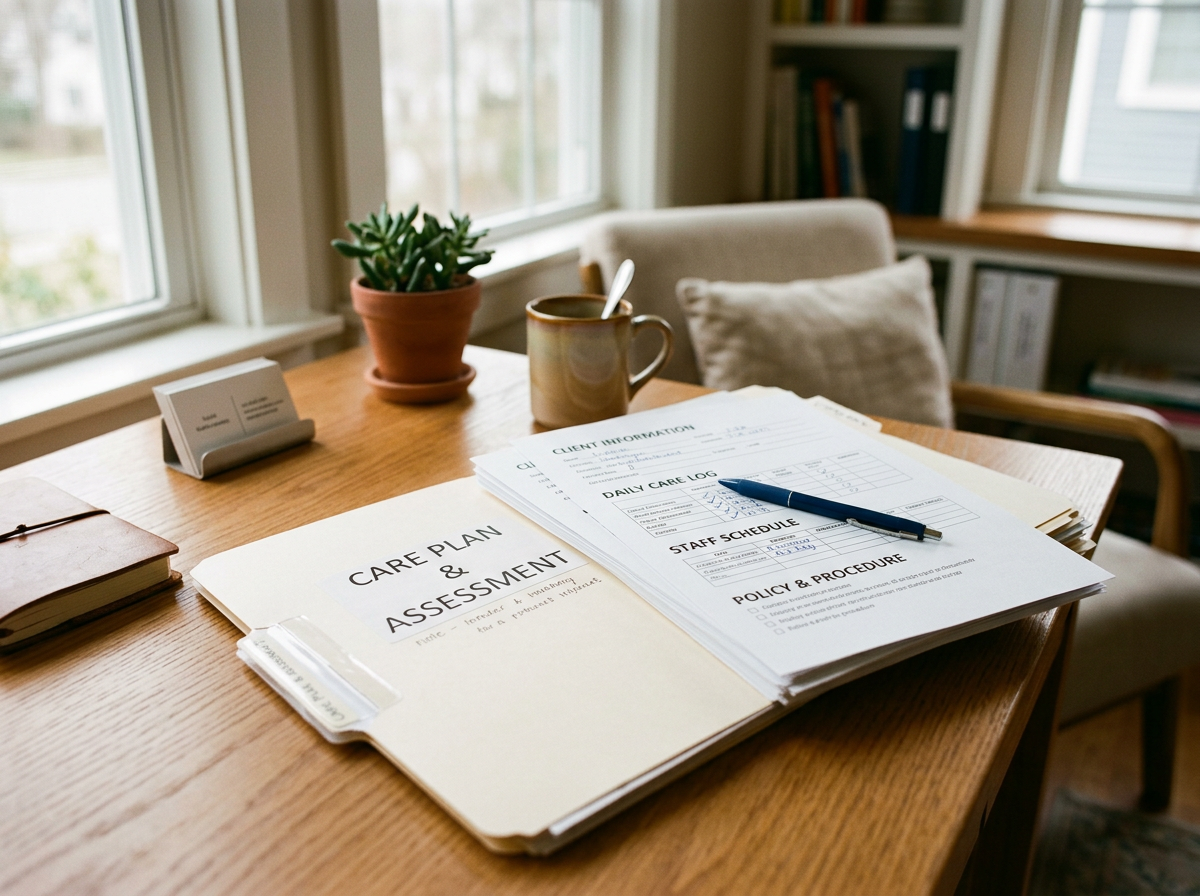
Behind the scenes:
When a loved one starts to need more support at home, arranging care can feel like a big step.
You might know that you need some help, but what actually happens once you contact a care provider?
Whether you are considering hourly home care or live-in care, there is much more happening behind the scenes than simply arranging for a carer to turn up at the door.
At ENA Care Group, we believe that understanding what happens behind the scenes can help families feel more confident about making the right care decisions.
💬 It starts with a conversation
The first step should always be about understanding the person – not just their care needs.
We want to know what matters to them, what their normal routine looks like and where they need support.
This might include:
🛁 Personal care
💊 Medication
🍽️ Nutrition and hydration
🚶 Mobility and transfers
🧠 Dementia or cognitive support
🧺 Household tasks
❤️ Companionship
🏡 Maintaining independence at home
We also want to understand what the person can still do for themselves.
Good care shouldn't take away someone's independence. It should help them maintain it.
📝 An assessment takes place
Before care starts, an assessment helps establish exactly what support is required.
This isn't simply about ticking boxes.
We need to understand the person's health, mobility, communication, routines, preferences and any potential risks.
For example, someone may need help getting dressed in the morning, but that doesn't necessarily mean a carer should choose their clothes for them.
Perhaps they like to decide what they are wearing themselves, but need help with buttons or fastenings.
Those little details are what make care genuinely person-centred.
⚠️ Risk assessments help keep everyone safe
Once we understand someone's needs, we also need to consider potential risks.
Depending on the individual, this could include:
Falls
Moving and handling
Medication
Nutrition and hydration
Skin integrity
Continence
Infection prevention
Environmental risks
Mobility
Emergency situations
Risk assessments aren't there to stop people doing things.
They are about asking:
“How can we support this person to do what they want to do as safely as possible?”
And importantly, risk assessments should be dynamic.
If someone's circumstances change, their risk assessment should change too.
📖 A care plan is created
All of this information comes together in the person's care plan.
A good care plan should tell carers much more than what tasks need completing.
It should help them understand:
❤️ Who the person is
🕐 Their usual routines
🍴 Their likes and dislikes
🗣️ How they communicate
💊 What support they need with medication
🚶 How they move safely
🧼 How they prefer to receive personal care
🎯 What they want to achieve
🏡 How they want to live their life
The care plan should also be reviewed and updated when someone's needs or circumstances change.
👩⚕️ Finding the right care
There isn't one type of care that suits everyone.
For some people, hourly domiciliary care is ideal.
This could mean a carer visiting once or several times a day to provide support with personal care, medication, meals, mobility, companionship or household tasks.
For someone who needs more continuous support, live-in care may be more appropriate.
A live-in carer stays in the client's home and provides support throughout the day and is available overnight, helping someone remain in familiar surroundings rather than having to move into residential care.
The right choice depends on the individual, their needs, their wishes and the level of support available from family and other professionals.
🤝 Finding the right carer
It's not just about whether a carer has the right skills.
Personality and compatibility matter too.
This is particularly important with live-in care, where a carer becomes part of the client's household and daily life.
We consider the client's needs, preferences and circumstances when looking at suitable carers.
The aim is to build a relationship based on trust, respect and mutual understanding.
🎓 Training doesn't stop at induction
Behind every good care service should be a properly trained team.
Carers receive training relevant to their role and the needs of the people they support.
This can include areas such as:
💊 Medication
🛡️ Safeguarding
🧠 Dementia care
🚶 Moving and handling
🦠 Infection prevention and control
🥗 Nutrition and hydration
❤️ End-of-life care
🧑🦽 Specialist care needs
Training and competency should also be monitored on an ongoing basis.
📞 There's a whole team behind the carer
When you see a carer arriving at your loved one's home, you may only see one person.
Behind them, there is often a much larger team working to support the care package.
Care Managers and support teams may be involved in:
Reviewing care plans
Monitoring care delivery
Supporting carers
Carrying out spot checks
Conducting supervisions
Communicating with families
Liaising with healthcare professionals
Responding to concerns
Reviewing incidents
Arranging additional support when circumstances change
That support is particularly important when something unexpected happens.
🔄 Care doesn't stay the same forever
One of the biggest misconceptions about care is that once a package is arranged, everything stays the same.
It shouldn't.
People change.
Someone might have a fall, come home from hospital, experience changes in mobility, develop new health needs or simply become less independent over time.
That's why care should be regularly reviewed.
Sometimes the answer might be more support.
Sometimes it might be different support.
And sometimes it might be that the person needs less help than they originally did.
The important thing is that the care continues to reflect the individual.
📋 And yes... there's a lot of paperwork!
There is a less exciting side to care too!
Behind the scenes are:
📋 Care plans
⚠️ Risk assessments
💊 Medication records
📝 Care notes
🎓 Training records
🔍 Audits and checks
📞 Communication records
🚨 Incident reporting
🔄 Reviews and updates
It may not be the most glamorous part of care, but accurate records are incredibly important.
They help make sure everyone involved understands what is happening and that important changes aren't missed.
🏡 So what are you actually paying for?
When you arrange hourly care or live-in care, you're not simply paying for someone to carry out a list of tasks.
You're paying for a wider system of support that sits behind the person providing the care.
You're paying for:
✔️ Assessment
✔️ Care planning
✔️ Risk management
✔️ Trained carers
✔️ Supervision and support
✔️ Monitoring and reviews
✔️ Safeguarding
✔️ Communication
✔️ Ongoing management
And ultimately, you're paying for the reassurance that someone is keeping an eye on the bigger picture.
❤️ Good care should still feel personal
There may be a lot happening behind the scenes, but for the person receiving care, it should feel simple.
They should feel:
Listened to.
Respected.
Safe.
In control.
Supported.
Whether someone receives a few visits each week through hourly home care, or has a live-in carer providing ongoing support, their care should fit around their life – not the other way around.
🌟 Looking for care for yourself or a loved one?
At ENA Care Group, we provide live-in care across England and Wales and hourly domiciliary care across Hertfordshire.
If you're not sure what type of care you need, that's okay.
You don't need to have all the answers before you contact us.
Sometimes the best place to start is simply with a conversation.
💬 Need to Talk About Care?
Whether you're looking for live-in care across England and Wales or hourly care in Hertfordshire, our friendly team is here to help.
📞 01707 333700
✉️ care@ena.co.uk
🌐 www.ena.co.uk
ENA Care Group
The kind of care we'd choose for ourselves.
🏡 Live-in Care | Hourly Care | Respite Care | Dementia Care | Specialist Care
