
🧠 Dementia Awareness Week 2026 (18–24 May)
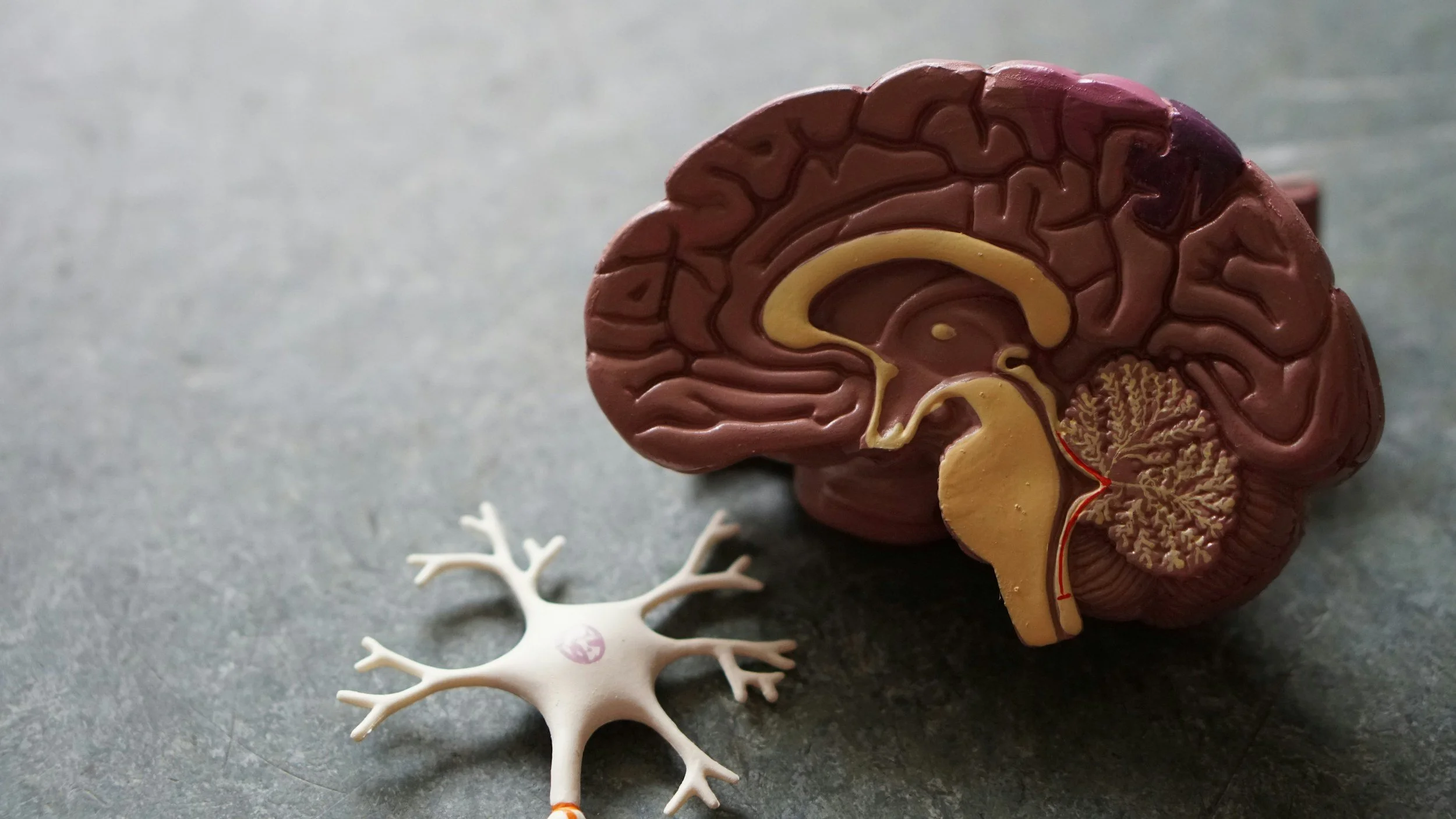
Understanding the Person Behind the Diagnosis
This week marks Dementia Awareness Week 2026 — an important opportunity to raise awareness, improve understanding, and encourage more open conversations around dementia and the impact it has on individuals and families across the UK.
At ENA Care Group, we see first-hand the importance of compassionate, person-centred dementia care, and the difference that patience, familiarity, reassurance, and consistency can make to somebody’s daily life.
Whilst dementia is often spoken about in medical terms, it is important to remember that behind every diagnosis is a person — someone with their own history, personality, routines, preferences, relationships, and life experiences. Dementia may change aspects of how somebody communicates, remembers, or processes information, but it does not diminish their value, identity, or need for dignity and respect.
📖 What is Dementia?
Dementia is not a single disease, but an umbrella term used to describe a group of symptoms associated with a decline in cognitive functioning. This can include difficulties with:
Memory
Communication
Problem-solving
Understanding
Concentration
Judgement
Orientation and perception
There are many different types of dementia, with the most common including:
🔹 Alzheimer’s Disease
The most common form of dementia, typically associated with progressive memory loss and confusion.
🔹 Vascular Dementia
Often linked to reduced blood flow to the brain, sometimes following strokes or vascular conditions.
🔹 Lewy Body Dementia
Can affect movement, alertness, sleep, and visual perception.
🔹 Frontotemporal Dementia
More commonly affects behaviour, personality, and language.
Every individual experiences dementia differently, and symptoms can vary greatly depending on the type and stage of the condition.
❤️ The Importance of Person-Centred Care
One of the most important aspects of dementia care is understanding the person, not simply the diagnosis.
Good dementia care is not task-led — it is relationship-led.
For somebody living with dementia, unfamiliar environments, rushed communication, or sudden changes in routine can feel confusing and distressing. Small adjustments and thoughtful approaches can therefore make a significant difference to wellbeing and quality of life.
This may include:
✅ Maintaining familiar routines
✅ Encouraging independence wherever safely possible
✅ Using calm, reassuring communication
✅ Giving individuals time to process information
✅ Understanding personal preferences and history
✅ Supporting meaningful activities and engagement
✅ Reducing unnecessary stress or overstimulation
Often, the smallest acts of patience and kindness can have the greatest impact.
🏡 Why Home Can Be So Important
For many people living with dementia, remaining in familiar surroundings can provide enormous comfort and reassurance.
The home environment contains memories, routines, and familiarity that can help reduce anxiety and confusion. Familiar furniture, photographs, daily habits, neighbours, pets, and even simple things like knowing where the kettle is can all contribute to a greater sense of stability and security.
This is one of the reasons why live-in and home care can be so beneficial for individuals living with dementia.
Home care can allow somebody to:
Maintain independence for longer
Continue familiar routines
Stay connected to their community
Receive one-to-one support
Avoid unnecessary disruption
Remain in a comfortable and known environment
At ENA Care Group, we work closely with individuals and families to ensure support is tailored around the person’s needs, preferences, and wishes.
👨👩👧 Dementia’s Impact on Families
Dementia affects not only the individual, but also the people around them.
Family members often take on significant emotional, physical, and practical responsibilities whilst supporting a loved one. Many experience feelings of stress, worry, exhaustion, or uncertainty as needs gradually change over time.
It is therefore essential that families receive support and reassurance too.
Sometimes, families simply need:
A listening ear
Guidance and reassurance
Consistency in care
Time to rest and recharge
Confidence that their loved one is safe and well supported
Seeking support is not a sign of failure — it is often one of the most important and responsible decisions a family can make.
🎓 The Importance of Training and Understanding
Providing high-quality dementia care requires more than simply completing tasks. It requires empathy, communication skills, patience, adaptability, and understanding.
At ENA Care Group, we are committed to ensuring our carers receive appropriate training and ongoing support to help them provide compassionate, safe, and professional dementia care.
Good dementia care means recognising that behaviours are often forms of communication. Confusion, frustration, repetition, withdrawal, or distress frequently stem from fear, discomfort, anxiety, or an inability to express needs clearly.
Understanding this can completely change the way support is delivered.
🌍 Raising Awareness Matters
Despite increased awareness in recent years, many misconceptions surrounding dementia still remain.
Dementia is not simply a “normal part of ageing,” and people living with dementia should never be defined solely by their condition.
By improving awareness and understanding, we can help:
Reduce stigma
Encourage earlier support
Improve inclusion
Promote dignity and respect
Support families more effectively
Create more dementia-friendly communities
Even small acts of patience, kindness, and understanding can make a meaningful difference to somebody living with dementia.
💙 How You Can Support Dementia Awareness Week
There are many simple ways people can show support during Dementia Awareness Week:
🧠 Take time to learn more about dementia
💬 Start conversations and raise awareness
👂 Be patient and understanding with others
🏡 Support friends or neighbours caring for loved ones
📚 Share helpful resources and information
❤️ Check in on families who may be struggling
Awareness begins with understanding.
🤝 Final Thoughts
Dementia Awareness Week is a reminder that compassionate care is about far more than meeting physical needs. It is about preserving dignity, maintaining connection, supporting independence, and recognising the person behind the diagnosis.
At ENA Care Group, we remain committed to delivering care that is compassionate, respectful, and tailored to the individual — helping people to remain safe, comfortable, and supported in the place they know best: home.
If you would like advice or guidance regarding dementia care and support, our team is always happy to help.
📞 Contact ENA Care Group
🌐 Website: www.ena.co.uk
📞 Telephone: 01707 333700
📧 Email: care@ena.co.uk
